Creating a home office that feels both cozy and productive is essential for anyone working remotely or spending significant time on tasks at home. A well-planned workspace supports focus, reduces stress, and makes your workday more enjoyable. Whether you have a dedicated room or just a small corner, these tips will help you strike the right balance between comfort and efficiency.
Choose the Right Location
Light and Noise Considerations
Start by selecting a space with plenty of natural light. If possible, place your desk near a window to benefit from daylight, which can improve mood and energy. Avoid areas that are too noisy or high-traffic, as distractions can hinder concentration.
Comfort and Privacy
Make sure the space feels private enough to work without interruptions. If soundproofing isn’t an option, consider noise-cancelling headphones or a white noise machine to maintain focus. Quality air circulation is also important for comfort and alertness.
Invest in Ergonomic Furniture
Desk and Chair
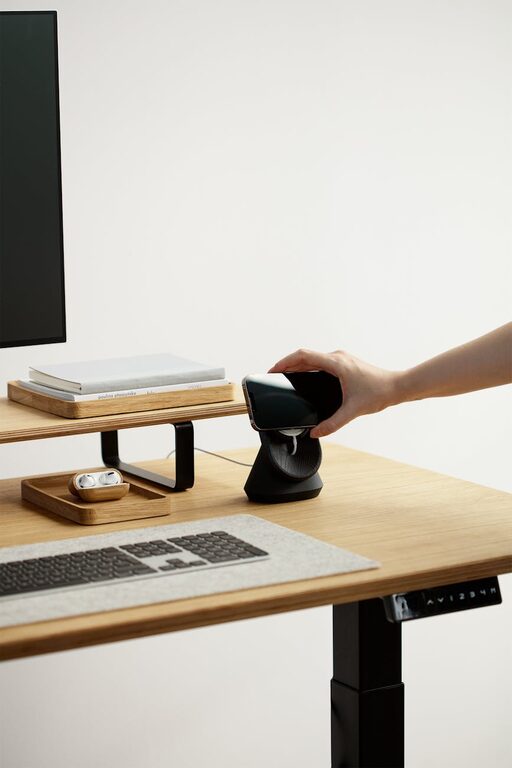
Choose a desk with enough surface area for your computer, paperwork, and personal items. A comfortable, adjustable chair with good lumbar support helps prevent back pain during long hours of work.
Accessories for Posture
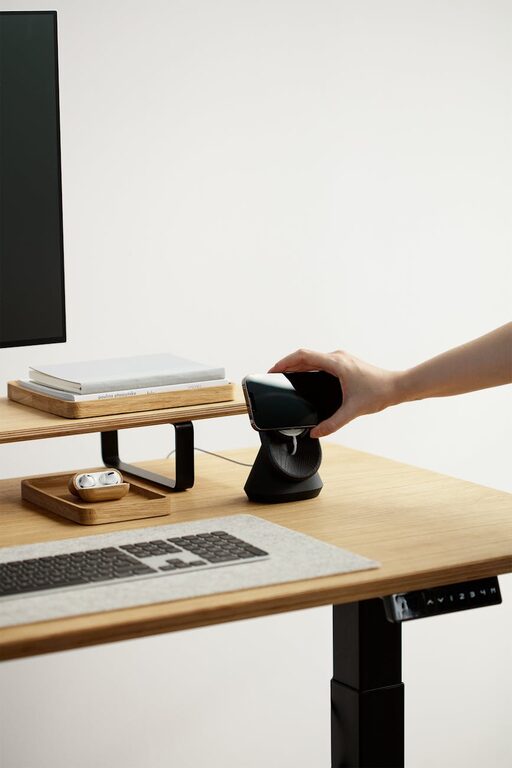
Consider ergonomic accessories such as a keyboard tray, monitor stand, or footrest. These can help maintain good posture and reduce strain on your neck, wrists, and back.
Organize for Efficiency
Declutter Regularly
Keep your workspace tidy by organizing cables, stationery, and documents. Clutter can distract and make it harder to focus, so invest in storage solutions like shelves, drawers, or desk organizers.
Task Management Tools
Use planners, calendars, or digital apps to schedule and keep track of tasks. A clean and organized environment paired with effective time management reduces stress and helps maintain productivity.
Personalize Your Space
Add Cozy Touches
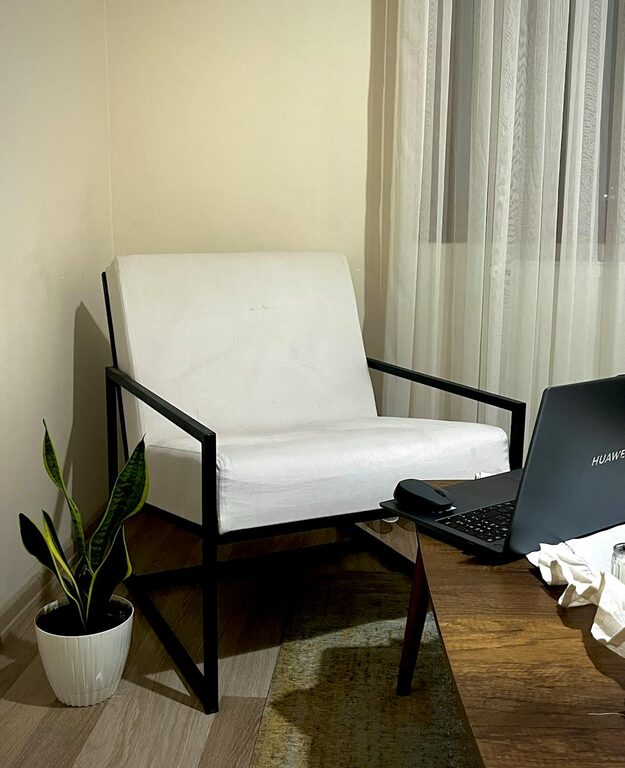
Incorporate soft textiles such as cushions, rugs, or throws to add warmth and comfort to your office. Plants not only improve air quality but also add a refreshing natural element.
Inspirational Details
Include artwork, photos, or motivational quotes that inspire and lift your spirits. Personalizing the space can increase your attachment to the environment and make working more enjoyable.
Optimize Lighting
Layer Your Lighting
Good lighting is key to preventing eye strain. Use a mix of ambient, task, and accent lighting. A desk lamp with adjustable brightness can provide focused light for reading or computer work.
Use Warm Light
Opt for warm white bulbs to create a cozy atmosphere, rather than harsh, cold light that can make the space feel sterile.
Maintain Work-Life Balance
Define Boundaries
Establish clear work hours and try to keep your office space separate from relaxation areas, especially if you’re working from home full time. This mental division helps maintain focus during work and fully switch off afterward.
Take Breaks
Regular breaks are important. Use the home office design to encourage movement, such as positioning your desk so you can easily step outside or move to a comfortable spot for a short rest.
Keep Technology in Check
Reliable Equipment
Invest in reliable tech like a fast internet connection, quality headset, and appropriate monitors. The right tools reduce frustration and downtime.
Cable Management
Tidy cables with clips or sleeves to keep your desk neat and prevent accidents. Clutter-free technology setup enhances both safety and appearance.
Final Thoughts
A cozy and productive home office is achievable with careful planning and a mix of practicality and personal touches. By focusing on comfort, organization, lighting, and a suitable location, you can create a space that truly supports your work and well-being every day. Start small, adjust as needed, and enjoy a workplace that feels just right for you.