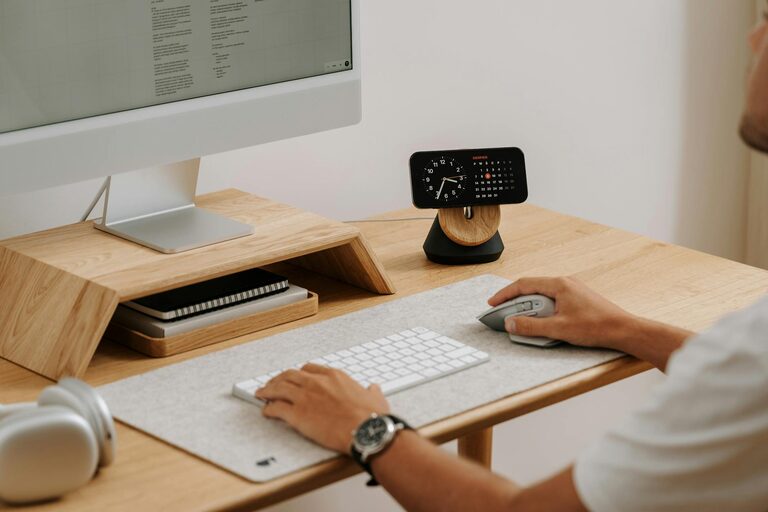
Creating a relaxing home office environment is essential for maintaining productivity and well-being. As many people continue to work remotely, the space where you work has a significant impact on your focus, comfort, and overall mood. A well-designed home office can reduce stress and increase efficiency, making your workday more enjoyable and effective.
In this article, we’ll explore actionable tips to help you create a calming and productive home office that supports your work habits and enhances your mental well-being.
1. Choose the Right Location
Selecting the right spot for your home office is the foundation of a relaxing workspace.
– Quiet Area: Pick a place with minimal distractions and noise. If you have a spare room, a corner with a door, or a quiet part of your home, these are ideal.
– Natural Light: Position your desk near a window to benefit from daylight. Natural light can improve mood and reduce eye strain.
– Privacy: If possible, choose a spot where you can close the door or create boundaries to separate work from living areas.
2. Invest in Ergonomic Furniture
Comfort plays a major role in your work efficiency and physical health.
– Adjustable Chair: Use a chair with good lumbar support and adjustable height to maintain proper posture.
– Desk Height: Make sure your desk height allows your arms to rest comfortably at 90 degrees when typing.
– Monitor Placement: Position your screen at eye level to avoid neck strain.
– Footrest: Consider a footrest if your feet do not rest flat on the floor.
3. Declutter and Organize Your Space
A tidy workspace helps your mind stay clear and focused.
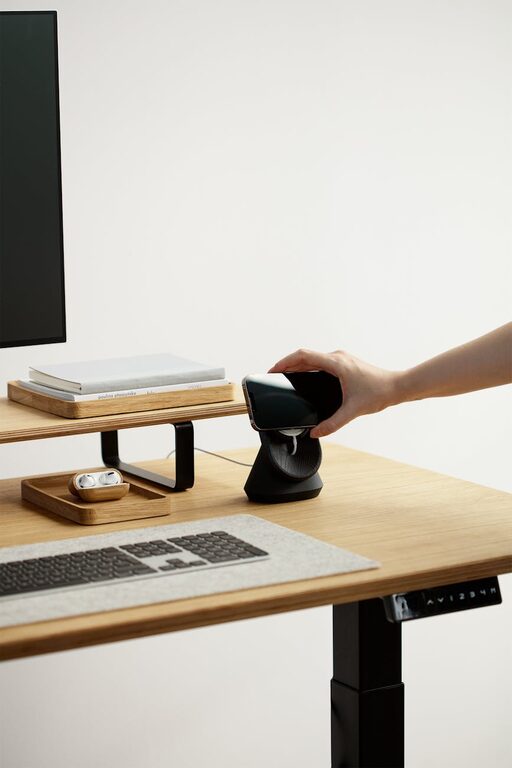
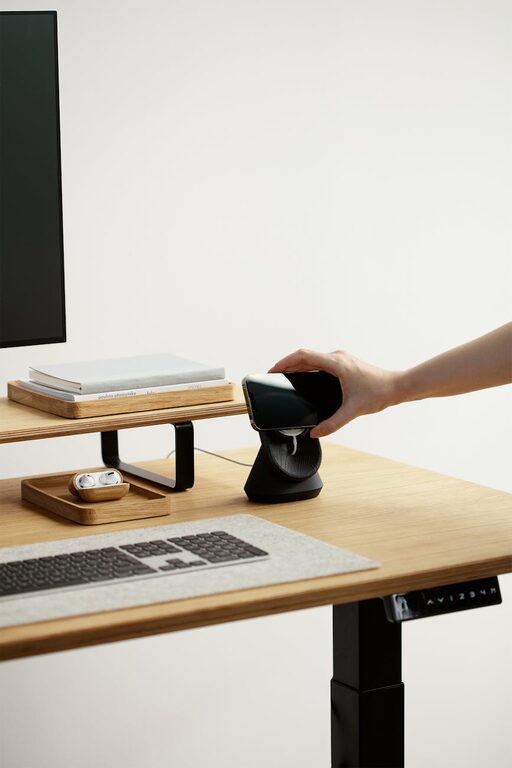
– Minimal Essentials: Keep only work-related items on your desk to avoid visual distractions.
– Storage Solutions: Use shelves, drawers, or organizers to keep documents and supplies neatly stored.
– Cable Management: Use clips or ties to organize cables and prevent clutter.
– Regular Cleaning: Set aside time weekly to clean and declutter your workspace, maintaining a fresh environment.
4. Use Calming Colours and Decorations
Colour affects mood and concentration, so choose wisely.
– Soft Tones: Light blues, greens, or neutral shades are known to have calming effects.
– Personal Touch: Add plants or artwork that inspires you without overwhelming the space.
– Lighting: Use soft ambient lighting or desk lamps with adjustable brightness to create a soothing atmosphere.
5. Incorporate Natural Elements
Bringing nature indoors can improve well-being and reduce stress.
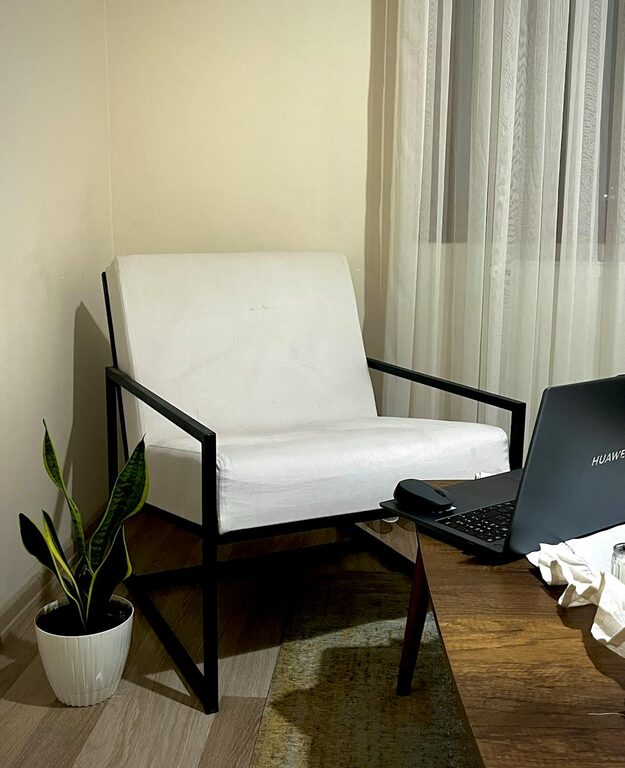
– Plants: Small indoor plants not only decorate but also improve air quality.
– Natural Materials: Wood furniture or accessories add warmth to your office.
– Views of Nature: If possible, position your desk to face outside or near a green space.
6. Manage Noise Effectively
Sound control is vital for concentration and relaxation.
– Noise-Canceling Headphones: Useful if you can’t control external noise.
– Soft Textiles: Rugs, curtains, and cushions absorb sound and make the room quieter.
– White Noise: A white noise machine or app can mask disruptive sounds.
7. Create a Routine and Boundaries
Your home office should foster effective work habits.
– Set Working Hours: Keep consistent start and end times to balance work and relaxation.
– Breaks: Take regular short breaks to stretch and recharge your mind.
– Separate Non-Work Items: Avoid spreading personal or unrelated things in your work area.
8. Use Technology Wisely
Optimising your tech setup can reduce frustration and enhance productivity.
– Reliable Internet: Ensure a strong and stable connection.
– Appropriate Tools: Use software and devices that fit your work needs.
– Cable Organization: As mentioned above, tidy tech cables to prevent mess.
– Screen Filters: Consider anti-glare screens or blue light filters to protect your eyes.
9. Personal Comfort Enhancements
Attend to little details that improve your comfort during work.
– Temperature Control: Use fans or heaters if needed to maintain a comfortable temperature.
– Hydration: Keep a water bottle nearby to stay hydrated.
– Aromatherapy: Mild scents like lavender or citrus can create a calming atmosphere (avoid overpowering fragrances).
Conclusion
Creating a relaxing home office involves careful planning, organisation, and attention to comfort. By choosing the right location, investing in ergonomic furniture, managing noise and light, and adding personal touches, you can build a workspace that supports your productivity and well-being. Remember, your home office should feel like a dedicated area for work and focus while remaining a pleasant place to spend your day.
Starting with small changes can make a significant difference, so pick a few tips that resonate with you and gradually adjust your space for maximum comfort and efficiency. A peaceful and well-organized home office is a great step toward happier, more productive workdays.